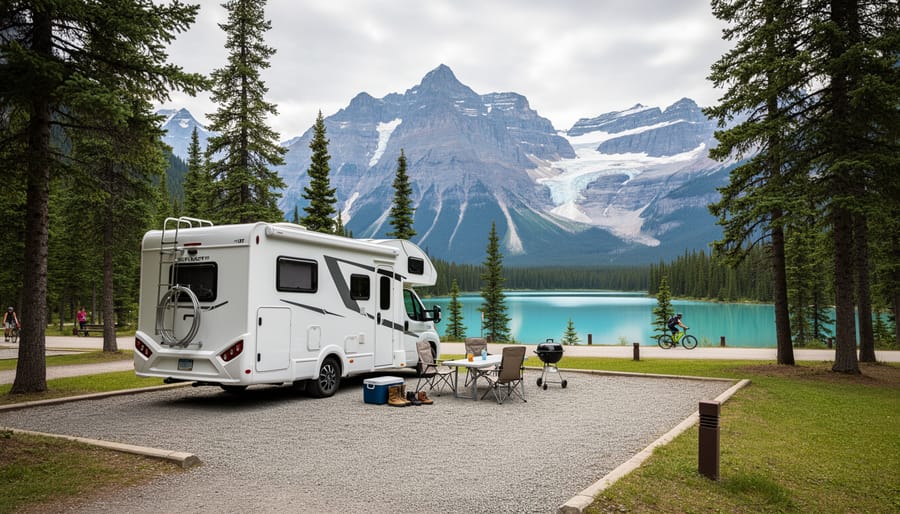
Camping with your RV in Jasper National Park requires advance planning and flexibility, especially heading into the 2026 season with two popular campgrounds closed and reservation windows opening as early as January 27, 2026 at 8 am Mountain Time. If you’ve ever navigated the booking scramble at busier Canadian parks, you already know the drill. Jasper takes that competitive energy and amplifies it with the stunning backdrop of the Canadian Rockies, glacier-fed lakes, and more elk than you’ll find in your average Walmart parking lot.
The challenge isn’t just finding a spot. You need to understand which campgrounds actually accommodate RVs, what size restrictions you’re working with, whether you’ll have hookups or need to boondock, and how to secure a permit during peak season when families from across North America are competing for the same dates. We’ve camped through enough national parks with our rig to know that showing up without a reservation and hoping for the best is a recipe for disappointment, especially when you’re towing thousands of pounds of home behind you.
This guide breaks down exactly which Jasper campgrounds welcome RVs, what amenities you can expect (spoiler: bear-proof lockers and included firewood are standard), how to navigate the booking process before sites disappear, and the mistakes that trip up even experienced RV families. Whether you’re planning your first mountain adventure or you’re a seasoned full-timer looking to add Jasper to your route, you’ll find the practical details that turn complicated park regulations into a straightforward camping strategy.
What Makes Jasper Different: Key Factors for RV Campers
Understanding Permit Requirements
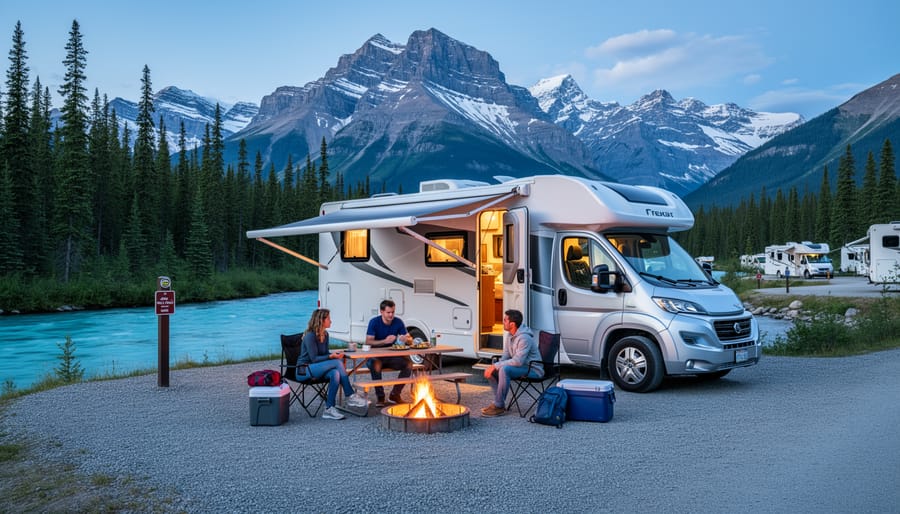
Before you can back your RV into a site at Jasper, you need two separate permits, and both are non-negotiable. First is your national park camping permit, which reserves your specific campground site. Second is your national park entry pass, which grants you access to Jasper itself. You can’t substitute one for the other, and showing up with only a reservation confirmation won’t get you past the park gates.
This dual system catches a lot of families off guard, especially if you’re used to provincial parks where one permit does everything. We learned this the hard way on our first mountain trip when we assumed our campsite booking included park entry. It doesn’t. Think of the camping permit as your hotel reservation and the entry pass as your ticket through the door, you need both to legally stay overnight.
The entry pass requirement applies whether you’re camping for one night or two weeks. Parks Canada enforces this strictly in designated camping areas, which is where all legal RV camping happens at Jasper. There’s no dispersed camping allowed, so every overnight stay requires both permits in hand before you arrive.
Bear Country Precautions
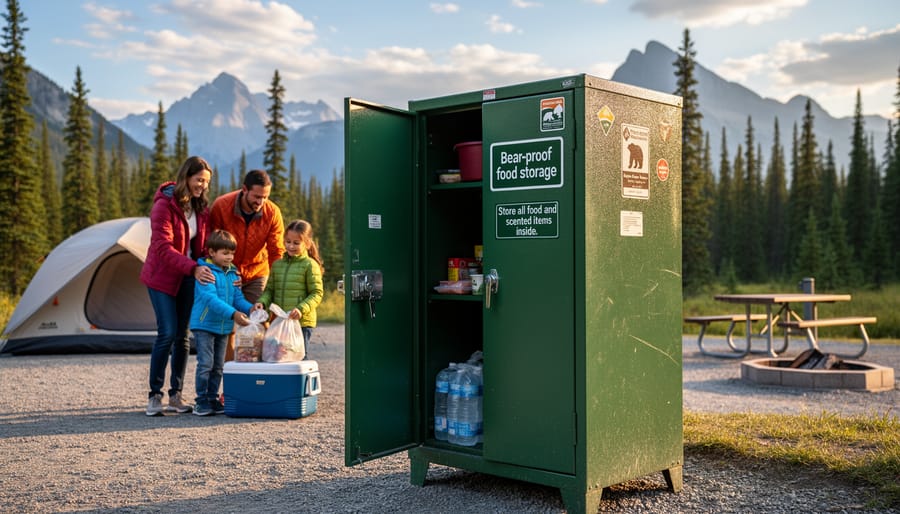
Camping in bear country isn’t something to fear, it’s something to prepare for. Jasper sits in the heart of grizzly and black bear territory, and Parks Canada’s food storage requirements exist to protect both your family and the wildlife. Every campground provides bear-proof lockers at no extra charge, and using them isn’t optional. All food, toiletries, coolers, and anything with a scent must go in the locker or inside your RV when you’re not actively using it. Bare campsite food storage rules mean nothing scented can sit outside, no coolers by the picnic table, no snacks in your tent trailer, no dirty dishes left out after dinner.
We turned this into a family routine on our first mountain trip. The kids learned to do a “bear sweep” before bed, checking the site for anything that needed to go in the locker. It became a game, and honestly, it taught them responsibility better than any lecture ever could. The lockers are spacious enough for a weekend’s worth of groceries, and most families find they’re easier to use than constantly running food back to the RV fridge. Think of it as smart camping, not restrictive camping.
Types of RV Campgrounds in Jasper
Jasper offers three main categories of RV sites, and understanding the difference between them helps you match your rig to the right setup. The choice comes down to how self-sufficient your RV is and what comfort level your family needs.
Full hookup sites give you the complete package: water, sewer, and electrical connections right at your spot. These are ideal for larger motorhomes and fifth wheels, especially if you’re planning a longer stay or traveling with kids who’ll want regular showers and consistently charged devices. You can run your air conditioning without worry, fill your freshwater tank as needed, and dump gray and black water without moving your rig. Families with bigger rigs or those new to RV camping often find full hookups reduce the learning curve significantly.
Electrical-only sites provide power (typically 30-amp service) but no water or sewer hookups. You’ll use your RV’s onboard freshwater tank and need to visit a dump station before you leave. These work well for mid-sized trailers and motorhomes with decent tank capacity, and they’re a solid middle ground if your family can manage a few days between fill-ups. Most RVs in the 25-35 foot range handle electrical-only sites comfortably for a week-long stay.
Basic or unserviced sites offer no hookups at all. You’re relying entirely on your RV’s batteries, propane, and water storage. Smaller camper vans, truck campers, and well-equipped travel trailers do fine here, but it requires more planning. If your family is experienced with boondocking or you’re only staying a night or two, unserviced sites give you access to more remote or scenic spots within the park.
| Site Type | Hookups/Utilities Available | Best For (RV Size/Type) | Typical Amenities |
|---|---|---|---|
| Full Hookup | Water, sewer, electricity (30/50-amp) | Large motorhomes, fifth wheels, extended stays | Unlimited power and water use, no tank monitoring needed |
| Electrical-Only | Electricity (30-amp standard) | Mid-sized trailers and motorhomes (25-35 feet) | Power for AC and appliances, requires onboard tanks and dump station visit |
| Basic/Unserviced | None (dry camping) | Small camper vans, truck campers, self-sufficient rigs | Often more scenic locations, requires full battery and propane management |
All sites at Jasper campgrounds include bear-proof lockers and firewood in your camping fee, regardless of hookup level. That consistency means the main decision is really about your RV’s capabilities and how much infrastructure your family needs to stay comfortable. If you’re unsure which type suits your rig, start with electrical-only sites for your first mountain camping trip. They offer enough support for most families without requiring a fully self-contained setup.
How We Ranked the Campgrounds: What Matters Most for RV Families
When we set out to evaluate Jasper’s campgrounds for this guide, we wanted to be upfront about what actually matters when you’re traveling with kids in an RV. We’re not ranking these spots based on scenic views alone, though Jasper delivers on that front no matter where you stay. Instead, we focused on the practical factors that make or break a family camping trip, especially in 2026 when two campgrounds remain closed and competition for sites is fiercer than usual.
Here’s what we prioritized in our assessment:
- Site availability and dimensions, whether the campground has enough spots to realistically book one, and if those sites accommodate larger rigs without tight maneuvering
- Hookup options, full hookups versus electrical-only versus unserviced, since your RV’s capabilities and your family’s comfort level determine what you actually need
- Family-friendly amenities, cookhouses for rainy-day meals, included firewood so you’re not scrambling to buy bundles, and bear-proof lockers that let kids safely store snacks
- Proximity to Jasper’s main attractions, how much driving you’ll do to reach trailheads, the townsite, or kid-favorite spots like Maligne Lake
- Booking competitiveness, how quickly sites fill up when reservations open, which directly affects your chances of securing your preferred dates
- Campground infrastructure, basics like dump stations, potable water access, and whether the layout works for families with multiple kids biking between sites
We also considered user feedback about each campground’s booking difficulty and site quality, since real families’ experiences reveal details the official descriptions don’t always capture. The goal was to help you match your family’s specific needs and RV setup to the right campground, rather than presenting a one-size-fits-all ranking that ignores how different every family’s situation really is.
Recommended Campgrounds for Different RV Styles
Whistlers Campground: The Full-Service Hub
Whistlers Campground is the flagship RV destination in Jasper, and for good reason, with 781 sites, it’s the park’s largest and most versatile option for families traveling by RV. Located just three kilometers south of Jasper townsite, it offers the rare combination of mountain wilderness and convenience that makes it the first choice for most RV campers visiting the park.
The campground provides both electrical hookup sites and full-service sites with water, sewer, and 30-amp power, giving you flexibility based on your rig’s needs and your family’s comfort preferences. We’ve stayed in both types, and the full hookups are worth considering if you’re traveling during shoulder season when nights get cold and you want to run your furnace without worrying about battery drain.
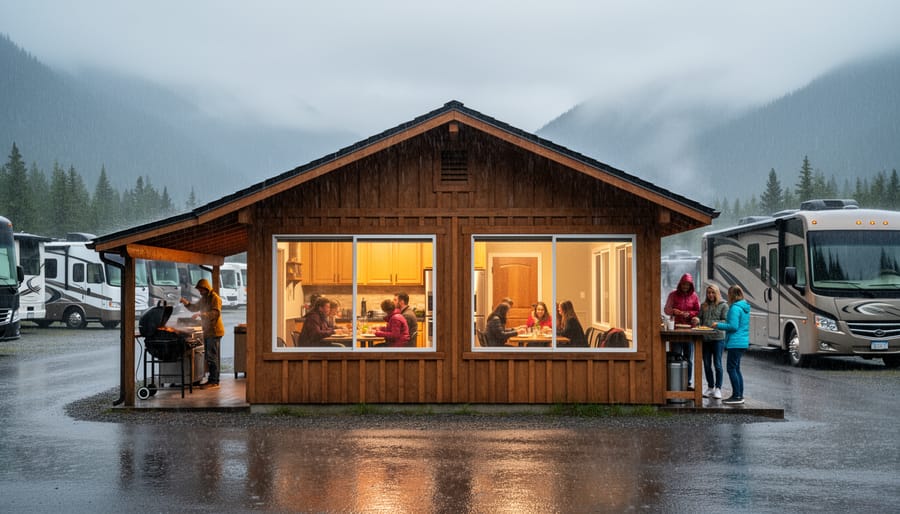
What sets Whistlers apart is the inclusion of amenities that actually matter for family camping. Every site comes with a bear-proof locker for food storage, which becomes second nature after the first day. The campground features multiple cookhouses scattered throughout, covered shelters with picnic tables where you can eat dinner when weather turns, which happens more often in the mountains than you’d expect. Firewood is included in your camping fee, a detail that adds up over a week-long stay.
Here’s the reality check: Whistlers books out fast. When the Parks Canada Reservation Service opens on January 27 at 8 am MT, families aiming for July or August dates need to be ready to reserve immediately. We’ve heard from countless RVers who waited even a week and found their preferred dates gone. The demand reflects what Whistlers offers, it’s the most complete base camp for exploring Jasper with kids, and savvy families know it.
Alternative Options for Larger Rigs
If you’re traveling with a larger motorhome or fifth wheel, anything over 30 feet, your options beyond Whistlers narrow considerably, but they’re not impossible to find. We learned this the hard way during our first trip with our 35-foot rig, when we realized too late that site dimensions matter as much as hookup availability.
Pocahontas Campground, located about 45 minutes northeast of Jasper townsite near the Miette Hot Springs, offers some longer pull-through sites that work well for bigger rigs. It’s more remote, which means you’ll drive a bit to reach main attractions, but the trade-off is a quieter atmosphere and generally better availability than Whistlers. The campground has basic amenities including bear-proof lockers and cookhouses, plus the included firewood that comes standard across all Jasper campgrounds.
Snaring River Campground is another option worth checking, particularly if your family prefers a more rustic experience. It’s closer to town than Pocahontas but still offers that backcountry feel. Site sizes vary, so measure your rig’s exact length, including any slide-outs when extended, before booking through the Parks Canada Reservation Service.
Remember that all sites require both a camping permit and national park entry pass, regardless of which campground you choose.
What’s Closed in 2026
The Wabasso and Whirlpool closures mean two fewer options for RV families in 2026, tightening availability across the park’s remaining campgrounds. Wabasso, which historically offered 231 sites with electrical hookups near the Athabasca River, won’t reopen this season. Whirlpool Group Campground, designed for larger groups, also stays offline.
This concentrates demand on Whistlers and the handful of other RV-accessible campgrounds still operating. If you’ve camped at Jasper before and had Wabasso as your go-to spot, you’ll need a new strategy. Book earlier than you think necessary. The January 27 reservation window will be more competitive than usual, especially for electrical sites in July and August. Don’t assume you can snag a backup site if your first choice fills up, there simply aren’t as many backups available this year.
What Amenities to Expect (and What’s Included)
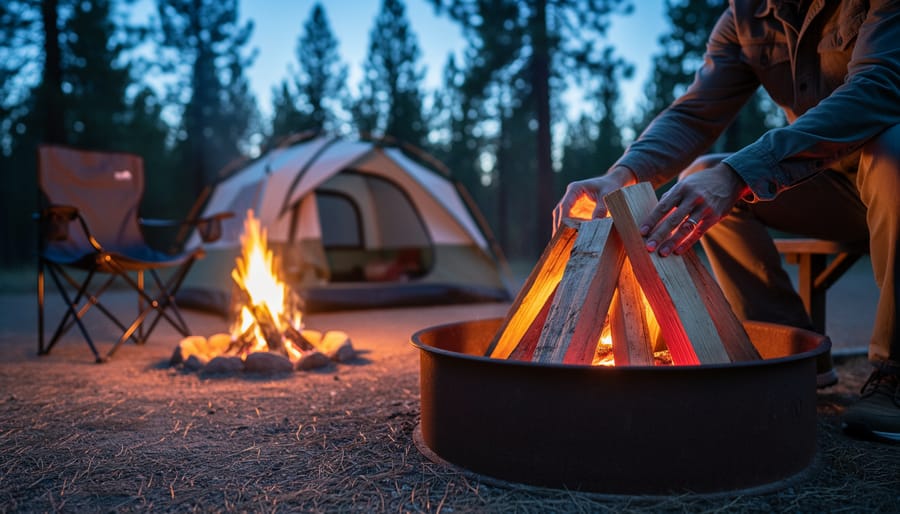
One of the pleasant surprises when camping at Jasper is that many essentials come standard, reducing the gear you need to haul and the stress of forgotten items. All campgrounds include firewood in your camping fee, so you can skip the expense and hassle of buying bundles at roadside stands or lugging wood from home. This alone simplifies arrival day, especially when you are managing kids and setup tasks simultaneously.
Bear-proof lockers are provided at every campground, and using them is mandatory for storing food, toiletries, and anything scented. These metal boxes are sturdy and large enough for coolers and grocery bags, giving families peace of mind that their supplies are safe overnight. Most campgrounds also feature cookhouses, covered structures with picnic tables where you can prepare meals out of the rain or keep RV cool by cooking outside on hot summer afternoons. We used a cookhouse at Whistlers during an unexpected afternoon downpour last season, spreading out maps and playing card games with the kids while dinner simmered on the portable stove. It turned a soggy inconvenience into one of our favorite memories of the trip.
Beyond these core amenities, expect clean vault toilets or flush facilities depending on the campground, potable water taps, and recycling stations. Some sites offer electrical hookups (15- or 30-amp), while others remain unserviced. Whistlers has a small on-site store for basic supplies, though you will want to stock up in Jasper townsite before heading to more remote campgrounds. The combination of included firewood, secure storage, and sheltered cooking spaces makes Jasper campgrounds more family-friendly than they first appear, especially for RV families balancing comfort with backcountry adventure.
Booking Your Stay: Timing and Strategy
Securing a campsite at Jasper requires planning and fast fingers. The Parks Canada Reservation Service opens for frontcountry camping bookings on Tuesday, January 27, 2026 at 8 am MT. Mark your calendar, set an alarm, and have your account information ready before that time hits. Sites for the entire season become available at once, and popular dates disappear within hours.
Our family learned this the hard way our first year. We casually logged on around noon, thinking we’d have plenty of options for July. Wrong. Whistlers’ full hookup sites were already gone, and we ended up scrambling for electrical-only spots that didn’t quite match our rig’s needs. Now we treat booking day like concert tickets, coffee in hand, logged in early, with backup dates written down in case our first choice vanishes.
The competition peaks for June through September stays, especially July and August when school’s out and weather is most reliable. If you’re targeting those weeks, be ready to book the second the system opens. Weekends fill faster than midweek arrivals, and full hookup sites disappear before electrical-only options.
Have a flexible strategy. Pick your ideal dates first, but keep three or four backup weeks in mind. Know which campground works for your rig size and needs before you start clicking. Review the national parks booking essentials ahead of time so you understand the reservation process, cancellation policies, and what information you’ll need.
One practical tip: create your Parks Canada account and add your vehicle details at least a week before January 27. The system slows down when thousands of families log in simultaneously, and fumbling with password resets while sites vanish is miserable. We also keep a second device ready as backup in case the site crashes or our laptop freezes.
With Wabasso and Whirlpool closed for 2026, there’s even less inventory than usual. Don’t wait.
Common Mistakes RV Families Make (and How to Avoid Them)
We’ve watched too many families arrive at Whistlers Campground only to realize their planning missed a crucial detail. Here are the mistakes that cost people either their reservation, their peace of mind, or both, and how you can sidestep them entirely.
The biggest blunder? Waiting until spring to book your summer stay. When the Parks Canada Reservation Service opens on January 27, 2026 at 8 am MT, the best sites vanish within hours. July and August spots disappear fastest, but even June and September fill quickly now that Wabasso and Whirlpool Group campgrounds remain closed for the season. Set a reminder, have your credit card ready, and log in right at 8 am. Treating this like a casual decision in March means you’ll be scrambling for whatever’s left or camping outside the park entirely.
Many RV families also forget they need two separate permits: a national park camping permit and a national park entry pass. One doesn’t cover the other, and you can only camp in designated areas with both. Rangers check, and showing up without either means you’re not camping that night, no exceptions, no matter how far you drove.
Wildlife protocols trip up first-time mountain campers regularly. Those bear-proof lockers aren’t optional. Every scrap of food, toiletries, even the gum in your console, goes inside when you’re not actively using it. We met a family who learned this lesson when a bear tore into their RV after they left a cooler on their picnic table overnight. The lockers exist for a reason, use them religiously.
Choosing the wrong hookup level for your rig creates headaches too. If you’re running a 50-amp system but book an electrical-only site capped at 30 amps, you’ll spend the week managing power loads or tripping breakers. Know your RV’s requirements before you select your site, especially at Whistlers where options vary widely. A 35-foot fifth wheel needs different infrastructure than a small camper van.
Finally, families underestimate how Jasper’s mountain weather affects meal planning. When it rains for three days straight, and it will, you can’t cook over campfire comfortably. The cookhouses become essential, not just a nice-to-have amenity. Pack backup meal plans that don’t rely solely on outdoor flames, or you’ll be eating cold sandwiches while envious of the families who thought ahead.
What to Look For
When choosing your RV campground at Jasper, prioritize hookup compatibility with your rig first. Know whether you need full hookups (water, electrical, and sewer), electrical-only connections, or if you can manage with unserviced sites. Bigger rigs typically require full hookup sites, while smaller campers and trailers handle electrical-only setups comfortably, check your summer RV prep needs before booking.
Site dimensions matter more in mountain campgrounds than flat terrain parks. Verify maximum RV length limits for your target campground, especially if you’re towing or driving a Class A motorhome over 30 feet. Some Jasper sites accommodate larger rigs, but space fills quickly during peak season.
Consider your family’s daily rhythms when evaluating amenities. Cookhouses become invaluable during rainy mountain weather, letting kids stay warm while meals cook. Bear-proof lockers aren’t optional extras, they’re mandatory for food storage and affect how you organize your RV routine tips around wildlife protocols.
Booking timing trumps nearly everything else in 2026. With two major campgrounds closed, securing any site requires readiness on reservation launch day. Location proximity to trails and town matters less than actually getting a confirmed spot for your travel dates.
Main Options Compared
When choosing where to park your RV at Jasper, you’re deciding between three main campground categories, each with trade-offs that affect your family’s comfort and budget.
Full hookup sites give you water, electrical, and sewer connections right at your spot. These are the most convenient for families who want to run air conditioning, use full bathroom facilities in the RV, and avoid frequent trips to dump stations. They’re also the most expensive and book out fastest.
Electrical-only sites provide power hookups but no water or sewer at your site. You’ll have access to communal water taps and will need to use the campground dump station before leaving. This middle-ground option works well for most RV families and offers better availability than full hookup spots. It’s also an effective way to cut travel costs without sacrificing essential comfort.
Unserviced or basic sites have no hookups at all. You’re relying entirely on your RV’s battery, freshwater tank, and holding tanks. These sites are the most affordable and usually the easiest to book, but they only work if your rig can handle several days off-grid and your family doesn’t mind conserving resources.
Recommendations by Use Case
If you’re traveling with a large motorhome or fifth wheel over 35 feet, Whistlers Campground is your best bet, it has the most full-hookup sites and can handle bigger rigs without the tight maneuvering you’ll face at smaller campgrounds. Our 38-foot Class A fit comfortably there, and we had room to set up our outdoor mat and chairs without encroaching on neighbors.
Families on a budget should consider the electrical-only sites at Whistlers rather than full hookup. You’ll save money while still having power for essentials, and since firewood is included in your camping fee, you’re not adding that expense. We brought our own fresh water and managed the grey tanks just fine for a week-long stay.
If you want quick access to hiking trails and don’t need full amenities, look at campgrounds closer to trailheads, just confirm your rig size fits the site dimensions before booking. We learned this the hard way on an earlier trip when we showed up to find our motorhome was too long for the spot we’d reserved.
First-timers to mountain RV camping should stick with Whistlers. The cookhouses saved us during two days of rain when cooking outside wasn’t practical, and having bear-proof lockers right at our site made food storage straightforward instead of stressful.
Frequently Asked Questions
Can I camp at Jasper without a reservation?
No, you need both a valid national park camping permit and a national park entry pass to camp in designated areas. Walk-up sites are extremely limited during peak season, so booking through the Parks Canada Reservation Service when it opens on January 27, 2026 at 8 am MT is your best strategy for securing a spot.
What size RV fits in most Jasper campgrounds?
Whistlers Campground accommodates a wide range of RV sizes, from small camper vans to larger motorhomes and fifth wheels. When booking, you’ll see specific site dimensions, but most full-hookup and electrical sites can handle rigs up to 35-40 feet without issue.
Are there dump stations available?
Yes, Whistlers and other major campgrounds provide sani-dump stations for guests. If you’re staying at a site without full sewer hookup, you’ll have access to a central dump station before you leave.
What if all the campgrounds are fully booked?
Check back regularly, as cancellations do happen, especially a few weeks before your planned dates. You can also consider booking a site outside the park in nearby Hinton and driving into Jasper for day trips, though you’ll still need an entry pass for the park.
How early should I book for summer camping?
Book the moment reservations open on January 27, 2026 if you’re planning to visit during July or August. Demand is heaviest from June through September, and with Wabasso and Whirlpool Group campgrounds closed for 2026, competition for remaining sites at Whistlers will be even tougher than usual.
Is firewood included or do I need to bring my own?
Firewood is included in the cost of camping at all Jasper campgrounds, which is a nice bonus for families who enjoy evening campfires. Remember that fires are only permitted outside the liquor, cannabis and fire curfew hours of 11 pm to 7 am.
One thing that surprised us during our first Jasper trip was how quickly families adapt to the bear-proof locker routine. What feels like an extra chore on day one becomes second nature by day two, and knowing your food is secure lets everyone relax and enjoy the experience. The cookhouses available at most campgrounds also become a lifesaver when mountain weather rolls in unexpectedly, giving you a covered space to prepare meals without huddling inside your RV.
If you’re torn between waiting to see if your schedule firms up and booking early, always book early. You can cancel later if plans change, but trying to find an available site in July once reservations open is like trying to grab concert tickets for a sold-out show. The 2026 campground closures mean there’s less inventory than in previous years, so hesitation will cost you your first-choice dates.
Jasper isn’t the easiest camping destination to plan, but it’s one of the most rewarding. Yes, you’ll need to mark your calendar for January 27, 2026, and set that 8 am MT alarm. You’ll spend time comparing hookup options, confirming your permits, and triple-checking your bear-proof storage setup. With Wabasso and Whirlpool Group campgrounds closed for 2026, competition for Whistlers and the other open sites will be fierce, especially if you’re hoping for a July or August stay.
But here’s what makes it worthwhile: waking up to mountain views that no campground brochure can capture, teaching your kids why we store food in bear lockers instead of feeling annoyed by the rule, and gathering around a fire with included firewood as the sun sets behind the Rockies. These aren’t just camping trips. They’re the moments your family will retrace years later, the stories that start with “Remember when we were at Jasper…”
Choose your campground based on your rig’s needs and your family’s priorities. Book early and be flexible with your dates if your first choice fills up. Follow the wildlife protocols without complaint. The planning effort pays off the first morning you step outside your RV and realize you’re camping in one of the most spectacular landscapes in Canada. That view, that experience, belongs to families willing to do the work upfront. Make 2026 the year your family claims it.